

Time is running out. The Internal Revenue Service estimates that approximately $1.2 billion in unclaimed tax refunds remains available for tax year 2022, and the clock is ticking toward a hard deadline that cannot be extended.
Unclaimed IRS refunds are federal tax refunds owed to taxpayers who did not file a return because their income was below the filing requirement, or whose check was returned as undeliverable.
Roughly 1.3 million taxpayers still haven’t filed a 2022 federal income tax return—and many of them are owed money they don’t even know about. The absolute deadline to claim a 2022 refund is April 15, 2026. This date holds firm even if you file a regular extension for your 2025 returns.
Unclaimed IRS Refunds for 2022: Act Before April 15, 2026
Each year, roughly $1 billion+ in unclaimed IRS refunds goes unclaimed, and Americans miss out on an average refund of about $2,900 by not filing their tax returns.
Once this three year window closes, any unclaimed 2022 refund money legally becomes property of the U.S. Treasury. At that point, it cannot be claimed regardless of how much proof you have that you’re owed funds.
The median potential refund for 2022 sits around $686, but many taxpayers may be eligible for significantly more depending on refundable tax credits like the earned income credit. Taxpayers who did not file may still be eligible for a refundable credit, such as the Earned Income Tax Credit (EITC) or the Recovery Rebate Credit. Keep in mind that your refund may be reduced by federal debts such as offset unpaid child support or unpaid state tax obligations before anything reaches your pocket.

How Unclaimed IRS Refunds Happen
Unclaimed refunds typically fall into two buckets: people who never filed a required annual tax return, and people whose refund was issued but never successfully delivered.
For non-filed returns, many taxpayers had income low enough that they assumed filing wasn’t necessary. Students, part-time workers, and gig economy participants often skip filing even when they had taxes withheld from wages or qualified for credits.
Undelivered refunds happen when a paper refund check gets mailed to an old address after a move, or when a direct deposit fails because the bank account was closed. In both scenarios, the IRS holds the money under your social security number until the statutory deadline passes.
Common examples include:
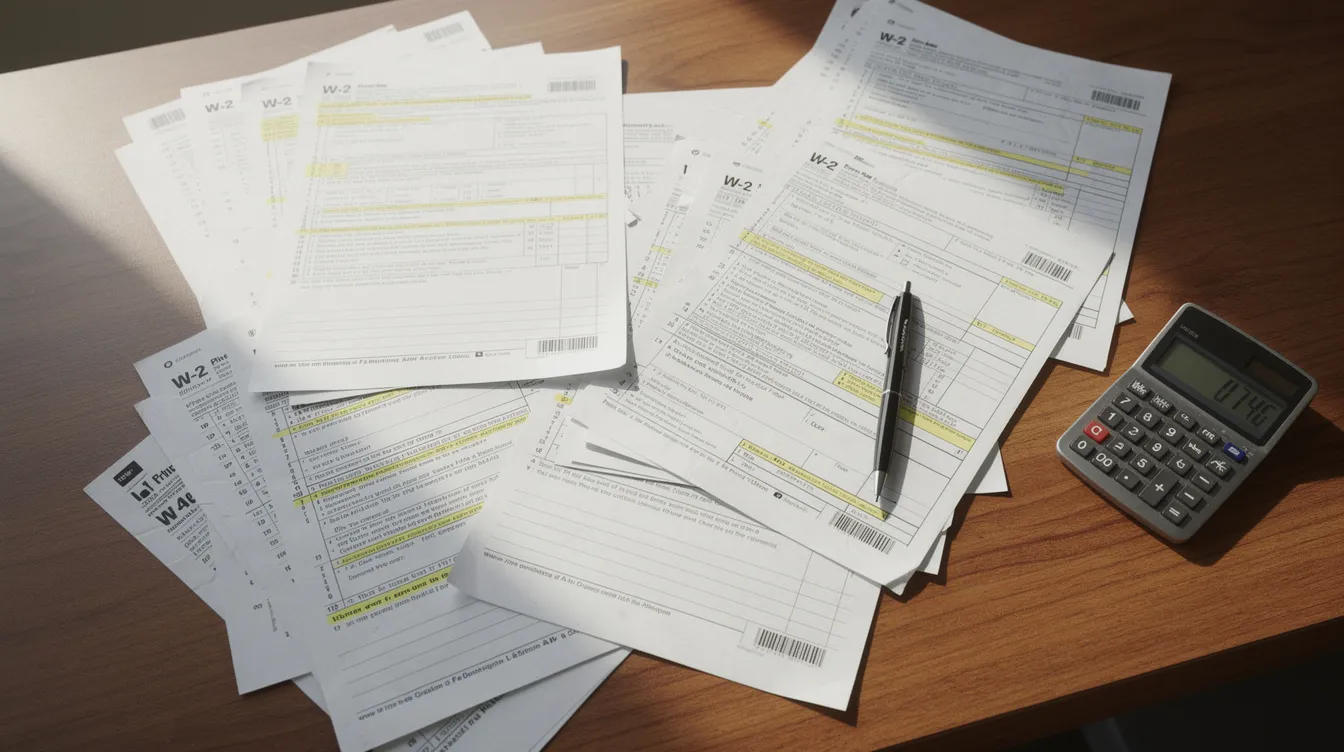
- Job changes in 2022 resulting in multiple Forms W-2
- Gig work with 1099 income but no return filed
- Moving during 2023–2024 without updating your address with the IRS
Eligibility and Filing Requirements for Unclaimed Refunds
To claim an unclaimed tax refund for the 2022 tax year, you must file a federal income tax return with the Internal Revenue Service—even if you weren’t required to file based on your income. Many taxpayers miss out on unclaimed refunds simply because they didn’t realize they were eligible or thought their income was too low to file. The IRS estimates that more than 1.3 million taxpayers have unclaimed refunds for 2022, totaling over $1.2 billion.
Eligibility for a refund often hinges on your filing status, adjusted gross income, and whether you qualify for refundable tax credits such as the Earned Income Tax Credit (EITC) or the Additional Child Tax Credit. Even if you had little or no tax liability, you may still be owed money if you had federal taxes withheld from your paycheck or qualify for credits based on your income and number of qualifying children, especially if you have late or missing tax returns that need to be brought current.
To determine if you’re eligible, review your 2022 income, check your filing status, and see if you meet the requirements for credits like the EITC. The IRS provides online tools to help you assess your eligibility for these credits. Remember, you must file your 2022 tax return by April 15, 2026, to claim any unclaimed tax refunds. Don’t leave your share of the $1.2 billion unclaimed—file your return and claim your refund before the deadline.
Key Deadlines and the Three-Year Rule
The IRS rule is straightforward: taxpayers typically have three years from the original due date of their return to file and claim a refund.
For 2022 individual returns, the original due date was April 15, 2023. However, the filing deadline to claim your 2022 refund extends to April 15, 2026. This three year window is fixed for refunds—filing an extension for the original return or for later years does not push back your refund claim deadline.
After the three-year period ends, the IRS is legally barred from issuing that refund. Even if you later produce documents proving money is owed, the funds stay with the treasury. Similar rules apply to other years (2023 refunds are claimable until April 15, 2027), but 2022 is the immediate priority, particularly for people who have not filed their taxes in three years or more and risk losing older refunds entirely.
How to Check If You Have an Unclaimed IRS Refund
The process depends on whether you’ve already filed a 2022 tax return or never filed at all.
If you never filed for 2022: There’s no single online tool showing your dollar amount. You’ll need to review your 2022 income documents—Forms W-2, 1099s, and pay stubs—then file a return to determine your refund status.
If you filed but never received your refund: Use the IRS “Where’s My Refund?” tool on IRS.gov. You can typically check refund information starting 24 hours after an e filed return or about four weeks after mailing a prior year return.
To use the tool, you’ll need:
- Your social security number or ITIN
- Your filing status
- The amount of your refund (the exact whole dollar amount)
The tool displays three stages: return received, refund approved, and refund sent. The ‘Where’s My Refund?’ tool provides a personalized refund date after the IRS processes the return and approves the refund. If it shows a refund was issued but never arrived, you may need to request copies of records or initiate a trace through Form 3911, and promptly respond to any IRS certified mail notices you receive about your refund status.
Claiming Your 2022 Unclaimed Refund: Step-by-Step
The only way to claim a 2022 unclaimed refund is by filing a complete 2022 federal tax return before April 15, 2026.
Step 1: Gather key documents Collect all 2022 tax forms including W-2s from every employer, Forms 1099 for interest, unemployment compensation debts payments, and contract income, plus any Form 1098 documents.
Step 2: Request missing records If documents are missing, contact employers or use the IRS “Get Transcript Online” tool to request a wage and income transcript showing information returns received by the IRS for 2022. You can also submit Form 4506-T.
Step 3: Choose your filing method Use tax software supporting prior year returns, hire a professional preparer, or complete the 2022 Form 1040 by hand using official 2022 instructions.
Step 4: Submit your return Prior year returns often must be mailed rather than submitted via e file. If mailing close to the deadline, use certified mail for postmark proof, and consider options like the IRS Fresh Start tax program if filing your past-due return reveals a balance due instead of a refund.
There’s no IRS penalty for filing a late return when you’re due a refund—but waiting risks missing the deadline entirely.
Refund Options: How You Can Receive Your Money
When you’re owed a tax refund, you have options for how you receive your money. The IRS strongly recommends choosing direct deposit, as it’s the fastest and most secure way to get your federal tax refund. With direct deposit, your refund is electronically transferred straight into your bank account, often within a few weeks of your return being processed.
If you prefer, you can opt to receive your refund by mail as a paper check. However, this method can take several weeks longer and is more susceptible to delays or delivery issues. Regardless of the method you choose, you can track your refund status using the IRS “Where’s My Refund?” tool online. This tool provides real-time updates on when your refund is approved, sent, or if there are any issues.
Keep in mind that your refund may be reduced if you owe unpaid child support, federal debts, or other obligations. Through the Treasury Offset Program, the IRS can apply part or all of your refund to cover these debts. If this happens, you’ll receive a notice explaining the offset and the agency that received the funds. To avoid surprises, check your refund status regularly and contact the IRS if you have questions about your refund or any offsets.
Refundable Credits That Can Boost Your Unclaimed Refund
Many unclaimed refunds exceed the amount of tax withheld because of refundable credits that generate money back even when no federal tax is owed. Refundable credit eligibility is a key reason why taxpayers should file, even if they are not required to, and to stay compliant with other IRS tax and audit rules that can impact future refunds.
Refundable tax credits are the most generous type of credit because they can result in a refund even if no taxes were owed.
The earned income tax credit for 2022 was available to eligible low-to-moderate income workers. The maximum credit reached approximately $6,935 for taxpayers with qualifying children. The EITC can reduce a taxpayer’s income tax liability below zero, resulting in a refund even if no federal tax was owed. Eligibility depends on earned income limits, valid social security numbers, not using married filing separately status, and meeting residency requirements.
Offsets, Holds, and Other Limitations on Unclaimed Refunds
Even when you qualify for an unclaimed refund, the full amount may not arrive if you owe certain debts.
The treasury offset program allows federal agencies and state tax agency partners to claim part or all of your refund to cover past-due child support, defaulted federal student loans, unpaid federal or state income tax, and unemployment compensation debts, and these situations can also trigger IRS civil tax penalties if underlying balances remain unpaid. If this happens, expect a notice explaining the offset amount, original refund, and which agency received the funds, and review strategies on who can take your tax refund and how to protect it so you can plan ahead.
Refunds may also face further review or holds if you haven’t filed returns for 2023 or 2024. The IRS sometimes waits several weeks for overall compliance before releasing money.
For married couples, an “injured spouse” claim (Form 8379) can help recover your share if a joint refund was taken for debts belonging only to your spouse, including situations involving stimulus checks and injured spouse relief.
State-by-State View and Who Is Most at Risk of Missing Out
The IRS periodically releases state-by-state estimates of how many taxpayers have potential unclaimed refunds and the median refund amount per state.
For 2022, large states like California, Texas, Florida, New York, and Pennsylvania have the highest numbers of taxpayers with potential unclaimed refunds—reflecting population size. Median refund amounts vary based on income levels and credit usage, with some states historically showing higher figures than the national median. Substantial refunds are due to residents of Georgia and Illinois, where many of our clients reside.
Groups most likely to leave refunds unclaimed include young workers with part-time jobs in 2022, low-income workers who assumed filing wasn’t required, and people who experienced job loss or life changes and never caught up. The only way to know your actual refund amount is to file your 2022 return.
The Role of Federal Agencies in Processing Unclaimed Refunds
Federal agencies, led by the IRS, are responsible for processing unclaimed tax refunds and ensuring that eligible taxpayers receive their money. When you file your federal income tax return, the IRS reviews your information, verifies your filing status, and calculates your refund. If you have unpaid state taxes or other debts, your state tax agency may also become involved in the process.
The Treasury Offset Program is a key tool used by federal agencies to collect unpaid debts. If you owe past due child support, federal student loans, or other federal or state debts, the program allows these agencies to claim part or all of your refund before you receive it. If your refund is offset, you’ll get a notice explaining the amount taken and which agency received the funds.
To help you stay informed, the IRS offers resources like the “Where’s My Refund?” tool and online account access, where you can view your refund information and track any offsets. If you need to verify your income or filing status, you can request a wage and income transcript from the IRS. For questions about state tax issues or offsets, contact your state tax agency directly. By staying proactive and using these resources, you can ensure you receive any unclaimed refunds you’re entitled to.
Free IRS Resources and Help for Filing Past-Due 2022 Returns

Multiple free resources exist to help you file a late 2022 tax return before the April 15, 2026 refund deadline.
IRS.gov tools:
- “Do I Need to File a Tax Return?” interactive tool
- Publication 17 (Your Federal Income Tax)
- Get transcript online for IRA contribution information and income records
- Online account access for prior year data
Free preparation help: The Volunteer Income Tax Assistance (VITA) and Tax Counseling for the Elderly (TCE) programs offer free, in-person preparation. Use the VITA Locator Tool on IRS.gov or call 800-906-9887. Appointments may be required.
Software options: Commercial tax software supporting 2022 filings works well for straightforward situations. Make sure you select “Tax Year 2022” rather than the current year.
For complex cases with multiple income sources or missing records, professional assistance ensures accuracy and maximizes your unclaimed refund, and understanding typical tax preparer rates can help you budget for the help you need.
Don’t wait until days before April 15, 2026. Gather your 2022 documents now, seek help if needed, and file your return to claim what’s rightfully yours.
___________________________________________
For more information about the tax and accounting services we provide, visit our Home Page! The friendly CPAs, Enrolled Agents, accountants, tax professionals and bookkeepers at Massey and Company CPA are here to assist you.
If you want my team and I to handle your tax matter for you, click here.
You are welcome to email me directly at gary.massey@masseyandcompanyCPA.com.
Massey and Company CPA is a boutique tax and accounting firm serving individuals and small businesses in Atlanta, Chicago and throughout the country. Our services include tax return preparation, tax planning, IRS tax problem resolution, IRS audits, accounting and bookkeeping.
