

Many taxpayers find themselves behind on filing their tax returns for prior years due to various reasons such as life changes, financial difficulties, or simply overlooking deadlines. However, addressing delinquent tax returns promptly is essential to avoid escalating penalties, interest, and potential legal consequences. Our CPA firm specializes in delinquent tax return preparation, helping clients claim any refunds still available, reduce IRS and state tax penalties, and navigate the complexities of late tax filing. Whether you owe back taxes or are due a refund, understanding your options and taking timely action can protect your financial future and restore compliance with tax authorities.
For individuals and small business owners who are behind by months or years, this guide explains when you can still claim a refund, how IRS notices and substitute returns affect the amount you owe, the implications of the statute of limitations when returns were never filed, and practical steps to correctly prepare and submit your late tax returns. Prompt action can help reduce penalties, protect your rights to refunds, and prevent further IRS enforcement actions.
How to Get a Refund if You Have Not Filed a Prior Year Tax Return
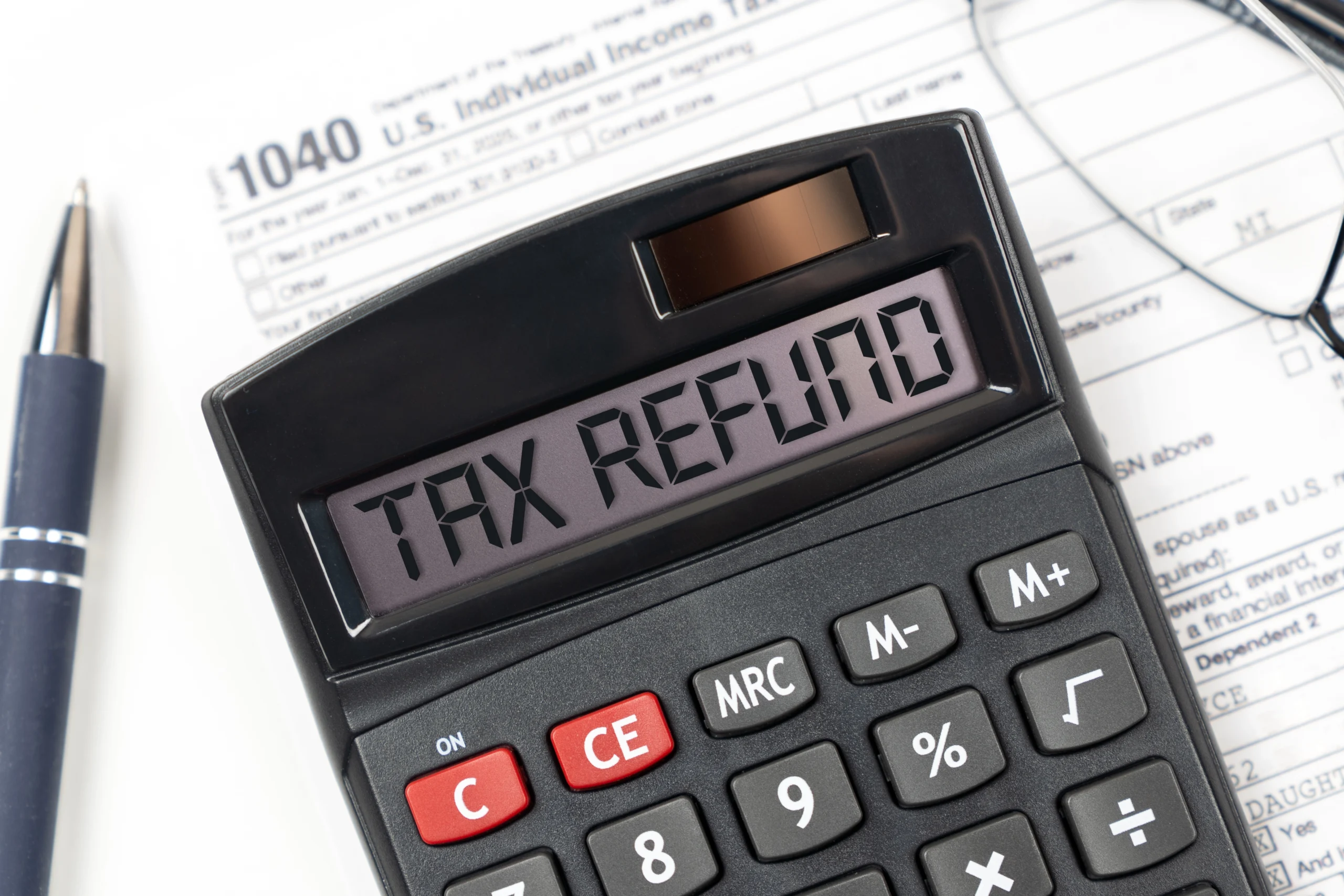
To receive a tax refund for a particular tax year, you must file the late tax return within three years of the original filing due date, including any extensions granted. Missing this three-year deadline means you forfeit the right to claim any refund or tax credits associated with that tax year, which can result in a significant financial loss.
For example, if you want to claim a refund for the 2023 tax year, you must file the late return by April 15, 2027, assuming no extension was filed. This three-year period is the statute of limitations for claiming refunds, and it is strictly enforced by the IRS.
If you filed for an extension and paid your estimated tax by the original deadline, your filing deadline shifts accordingly. For instance, if you filed an extension for your 2023 tax return and submitted your payment by April 15, 2024, then your deadline to file and claim a refund extends to October 15, 2027. This extension period is added to the three-year limit, giving you additional time to file your return and claim any refund or tax credits.
It is important to file your delinquent return promptly to preserve your right to claim refunds and tax credits such as the Earned Income Tax Credit, Child Tax Credit, or education credits. Failure to file within this timeframe results in losing those benefits permanently.
In summary, understanding and adhering to the three-year deadline for filing late returns is essential to maximize your potential refund and avoid losing valuable tax credits. If you are behind on your filings, consulting a tax professional can help ensure your returns are prepared accurately and submitted on time to claim any refunds due.
Avoiding Penalties on Late Returns
If the tax deadline has already passed, filing your tax return as soon as possible remains critically important because the IRS begins charging penalties starting the day after the filing deadline. The most significant penalty is the Failure-to-File Penalty, which accrues at a rate of 5% of the unpaid tax per month, up to a maximum of 25%. This means that for every month your tax return is late, you could owe an additional 5% penalty on top of the unpaid tax amount, quickly increasing your total liability if you delay further.
It is important to understand that some taxpayers choose not to file because their income is below the filing threshold. However, even if you are not required to file, submitting a tax return is necessary if you want to claim a refund of any federal taxes withheld by your employer or to claim refundable tax credits like the Earned Income Tax Credit. Without filing, you forfeit these potential refunds.
There is usually no penalty for failure to file if the taxpayer is due a refund. Early action and assistance from a knowledgeable tax preparer or tax pro can help determine whether you may qualify, be eligible, and take the necessary steps for penalty abatement.
Avoiding Penalties for Late Payments
In addition to penalties for late filing, taxpayers who do not pay their tax liability by the due date face the Failure-to-Pay Penalty. This penalty is generally 0.5% of the unpaid tax amount for each month or part of a month the payment is late, accruing up to a maximum of 25%. The IRS calculates this penalty starting the day after the tax payment deadline, which means delaying payment increases your total amount owed significantly over time.
Penalty Abatement or Relief Programs
Taxpayers who have delinquent tax returns may qualify for penalty abatement or relief programs offered by the Internal Revenue Service (IRS) to reduce or eliminate penalties associated with late filing or late payment. These programs are designed to assist taxpayers who have reasonable cause for their failure to file or pay on time, such as serious illness, natural disasters, or other uncontrollable circumstances.
One common form of relief is the First-Time Penalty Abatement (FTA), which provides a one-time waiver of certain penalties for taxpayers with a clean compliance history who meet specific eligibility criteria. To qualify for FTA, a person must have filed all required returns and paid, or arranged to pay, any tax due. This program can significantly reduce the financial burden of penalties for eligible taxpayers.
Another option is reasonable cause relief, where taxpayers must demonstrate that their failure to file or pay was due to circumstances beyond their control. Documentation supporting the claim, such as medical records or proof of natural disasters, is typically required. The IRS reviews these requests on a case-by-case basis and may grant relief if the evidence is convincing.
Additionally, taxpayers can request penalty abatement by submitting a formal written request or using IRS Form 843, Claim for Refund and Request for Abatement, to explain their situation. Taxpayers considering this option should understand how to file Form 843 for IRS penalty relief so that requests are properly prepared and submitted, increasing the chances of approval.
It is important to act promptly when seeking penalty abatement, as delays in filing or payment continue to accrue penalties and interest. Combining penalty relief with timely filing of past due tax returns and arranging payment plans can help taxpayers manage their tax debt more effectively and avoid further IRS enforcement actions.
Overall, penalty abatement or relief programs provide valuable opportunities for taxpayers facing delinquent tax returns to reduce their financial liabilities and regain compliance with the IRS.
Minimizing Interest Payable to the IRS

When preparing delinquent tax returns, minimizing the interest payable to the IRS is crucial to reducing your overall tax liability. Interest on unpaid taxes begins accruing from the original due date of the return and compounds daily. Therefore, the sooner you file and pay any owed taxes, the less interest you will owe. Even if you cannot pay the full amount immediately, filing the delinquent return promptly can help limit the growth of interest and penalties.
If you owe money to the IRS for the current year or prior years, consider requesting a payment plan or installment agreement. These arrangements allow you to pay your tax debt over time while potentially reducing additional penalties and interest. The IRS offers various payment options depending on your financial situation, including short-term extensions and long-term installment plans.
Working with a qualified tax professional during late tax return preparation can help identify opportunities for penalty abatement or interest reduction. Choosing an experienced accountant for income tax preparation and planning ensures that your filings are accurate and that you are taking advantage of all available relief options. Taking proactive steps to minimize interest and penalties can significantly improve your financial outcome when resolving back taxes.
Notice CP516: Tax Bill
Be aware that the IRS is actively monitoring for unfiled tax returns and uses Notice CP516 as a formal request for missing or delinquent tax returns. Receiving this notice means the IRS has identified that you have not filed a required return for a specific tax year and is urging you to prepare and submit the return promptly to avoid further consequences.
Ignoring Notice CP516 can escalate your tax situation significantly. The IRS sends this notice as a warning that they are aware of your missing return and expect compliance. Failure to respond may lead to the IRS taking unilateral action by filing a past due tax return for you as a substitute return, which generally results in a higher tax liability because it does not account for deductions, exemptions, or tax credits you may be entitled to claim.
The notice will typically include information about the tax year in question, the amount of tax the IRS estimates you owe, and instructions on how to file the missing return. It serves as an important reminder that the IRS is actively pursuing delinquent tax filings and that prompt action is necessary to mitigate penalties and interest.
If you receive Notice CP516, it is advisable to consult with a tax professional who specializes in delinquent tax return preparation. They can help you gather the necessary documents, accurately prepare your return, and communicate with the IRS on your behalf. Responding quickly can help limit the accumulation of additional penalties, interest, and reduce the risk of enforcement actions such as liens or levies.
In some cases, taxpayers may be eligible for penalty abatement or other relief programs, especially if there is reasonable cause for the delay in filing. A knowledgeable tax preparer or CPA can assess your situation, help you claim any available tax credits, and advise on options like partial payment plans to manage your tax debt effectively.
Ultimately, Notice CP516 is a critical communication from the IRS signaling the need to address delinquent tax returns. Timely and informed action can protect your financial interests, preserve your rights to refunds or credits, and prevent the situation from worsening through aggressive IRS collection efforts.
Filing a Late Return
If you have missing or late tax returns, the best course of action is to file taxes as soon as possible by preparing and submitting those returns to stop the accrual of penalties and interest, which begin increasing once the tax filing deadline passes. Gathering all necessary documents is crucial. If you are missing key tax forms such as W-2s, 1099s, or 1098s, you should request copies from your employer, financial institutions, or payers. If these sources cannot provide the documents, your CPA or tax professional can obtain your wage and income information directly from the IRS by filing a Power of Attorney on your behalf. Additionally, if records remain unavailable, you or your tax preparer can request a tax transcript from the IRS for the relevant tax years, which summarizes reported income and tax payments.
If you are self-employed, own a business, or work as an independent contractor, preparing delinquent returns requires assembling accurate accounting records. This includes gathering business bank statements, credit card statements, and other financial documents necessary to reconcile income and expenses. Many small business owners use QuickBooks Online to organize their financial data or rely on comprehensive accounting services for small businesses to keep their books accurate and up to date, making it easier to compile accurate records for tax preparation. Filing these returns not only brings you into compliance but also protects your eligibility for Social Security and disability benefits, as the IRS reports self-employment income to the Social Security Administration to credit your earnings record.
Substitute for Returns
If you do not file a tax return and ignore Notice CP516, the IRS will prepare a return for you. This is a “substitute return” for a past due return you failed to file. The Substitute for Return is almost always unfavorable because the IRS does not apply your preferred filing status, which can result in higher tax rates. Additionally, the IRS will not include any deductions, exemptions, or tax credits you may be entitled to claim. This means that the substitute return generally results in a significantly higher and unexpected tax liability than if you had filed your own return.
The substitute return also includes a late filing penalty, which adds to the total amount owed. Ignoring unfiled tax returns can escalate the issue into the IRS collection process, and the IRS can collect unpaid taxes through liens, wage garnishment, and levies on a bank account.
To correct a Substitute for Return, it is strongly recommended that taxpayers prepare and file their late tax return as soon as possible. These corrected returns must be submitted to a special IRS “reconsideration” unit that reviews and adjusts accounts accordingly. Filing your own return allows you to claim all eligible deductions and credits, reducing your tax liability and penalties.
Continued failure to comply with filing requirements and leaving substitute returns unresolved increases the risk of broader compliance problems and an audit and, in severe cases involving willful noncompliance, can lead to criminal charges or prosecution for tax evasion. Therefore, prompt action to file delinquent returns is essential to protect your financial interests and avoid escalating legal consequences.
Statute of Limitations and Tax Filing Deadlines
The statute of limitations does not start on an unfiled tax return. This means there is no statute of limitations period while a return remains unfiled, allowing the IRS to continue assessing and collecting delinquent tax debts, along with additional penalties and interest, for that tax year indefinitely. In other words, if you never file a return for a particular year, the IRS can pursue collection actions without any time limit, which can include wage garnishments, bank levies, and liens on property.
For How Many Years Should I File Tax Returns?
In practice, the IRS generally does not enforce collection beyond the prior six years for unfiled returns. According to IRS Policy Statement 5-133, taxpayers are expected to become compliant by filing returns for at least the past six years. This six-year period is a practical limit for enforcement, but it does not eliminate the IRS’s authority to pursue taxes owed for earlier years if they choose.
Being in compliance generally means having filed all required tax returns for the past six years. This compliance is crucial for taxpayers who wish to negotiate with the IRS. Many small business owners work with a top accountant for business taxes and IRS representation to help them file back returns and negotiate payment arrangements. Demonstrating good faith and willingness to resolve outstanding tax issues by filing these returns can improve your chances of obtaining favorable terms in payment plans, offers in compromise, or penalty abatements. The IRS typically requires taxpayers to be fully compliant before approving any negotiated agreements, making timely filing of all past due returns an essential step in the resolution process.
Non-Tax Issues about Missing or Late Returns
Missing or late tax returns can cause significant problems beyond just IRS penalties. For instance, if you are trying to buy a house or refinance a mortgage, lenders typically require copies of your recent tax returns to verify your income and financial stability. Without these documents, loan approvals can be delayed or denied, complicating your ability to secure financing.
Similarly, when applying for student financial aid, such as through FAFSA or other education funding programs, tax documents are often required to determine eligibility. Late or missing returns can delay or jeopardize your access to financial aid, impacting your family’s educational opportunities.
Additionally, being current with your tax filings helps maintain your creditworthiness and financial reputation, which are important for various personal and business transactions. Partnering with a trusted CPA firm for comprehensive tax solutions can help you stay compliant year-round. Staying compliant with tax filing requirements can prevent these non-tax issues and ensure smoother access to loans, aid, and other financial benefits.
State Tax Issues
State tax rules for delinquent tax return preparation can differ significantly from federal regulations, and it is important to understand these variations to ensure compliance. While the IRS enforces federal tax laws uniformly across the country, each state has its own tax authority, deadlines, penalties, and statutes of limitations for filing late returns and paying back taxes.
For example, in Georgia, taxpayers must file state tax returns within three years of the original due date to claim refunds, similar to federal rules. However, Georgia’s Department of Revenue may impose additional penalties or interest rates that differ from federal calculations. Georgia also has specific requirements for filing delinquent returns, and failure to comply can result in state tax liens or levies.
In Illinois, the Illinois Department of Revenue requires taxpayers to file delinquent returns promptly to avoid penalties, which include a failure-to-file penalty of 5% per month up to a maximum of 25%, closely mirroring the federal penalty structure. Illinois also charges interest on unpaid taxes, compounded daily, but at rates set by the state. Additionally, Illinois may pursue collection actions such as wage garnishments or property liens for unpaid state taxes.
It is crucial for taxpayers in Georgia, Illinois, and other states to consult with tax professionals familiar with both federal and state tax laws to navigate the complexities of delinquent tax return preparation effectively. Individuals and businesses in the Midwest may benefit from professional tax preparation services in Chicago to address both federal and state filing requirements. Understanding state-specific rules helps prevent unexpected penalties, protects the right to claim state tax credits and refunds, and reduces the risk of enforcement actions at the state level.
Criminal Prosecution for Tax Fraud

Failing to file tax returns for multiple years or deliberately evading taxes can lead to criminal prosecution by the IRS. Tax evasion is a serious federal offense that carries severe consequences, including hefty fines and potential imprisonment. The IRS Criminal Investigation division actively pursues cases where willful noncompliance or fraudulent behavior is suspected.
Criminal charges typically arise when taxpayers intentionally conceal income, falsify documents, or repeatedly ignore filing requirements despite IRS warnings. While most delinquent filers face civil penalties and interest, those who engage in deliberate tax evasion risk prosecution, which can result in jail time and permanent damage to their financial reputation.
If you are behind on your tax filings and concerned about potential criminal liability, it is crucial to seek professional legal and tax advice immediately. Proactively addressing delinquent tax returns and cooperating with the IRS can sometimes prevent escalation to criminal proceedings. Early intervention may also open opportunities for penalty abatement and negotiated payment plans, reducing the overall impact on your finances and freedom.
Frequently Asked Questions (FAQs)
What happens if I file a delinquent tax return after the three-year deadline?
If you file a tax return after the three-year deadline for claiming a refund, you risk losing your refund and any associated tax credits for that year. The IRS strictly enforces this statute of limitations, so timely filing is essential to claim any available benefits.
Can I claim tax credits on a delinquent tax return?
Yes, you can claim tax credits such as the Earned Income Tax Credit, Child Tax Credit, and education credits when filing delinquent tax returns, provided you file within the applicable deadlines. Filing late but within the three-year window preserves your right to these credits.
What penalties am I subject to if I file late?
The IRS charges a Failure-to-File Penalty of 5% of unpaid tax per month, up to 25%, and a Failure-to-Pay Penalty of 0.5% per month, also up to 25%. Interest on unpaid taxes compounds daily. Filing promptly helps minimize these penalties and interest.
What is a substitute return, and why should I avoid it?
A substitute return is prepared by the IRS if you fail to file your tax return. It does not account for deductions, exemptions, or tax credits you may be entitled to, often leading to a higher tax bill. Filing your own return is critical to avoid this risk.
Can I set up a payment plan if I cannot pay my back taxes in full?
Yes, the IRS offers installment agreements and payment plans to help taxpayers pay their tax debt over time. Requesting a payment plan can also reduce penalties and prevent aggressive collection actions.
Will filing delinquent tax returns affect my Social Security benefits?
If you are self-employed and fail to file tax returns reporting your income, you risk losing Social Security credits, which can affect your retirement and disability benefits. Filing delinquent returns helps protect these benefits.
Can I avoid criminal prosecution for filing late?
While most late filers face civil penalties, willful failure to file or tax evasion can lead to criminal prosecution. Promptly addressing delinquent returns and cooperating with the IRS reduces this risk.
How do state tax rules affect delinquent tax return preparation?
State tax authorities have their own deadlines, penalties, and refund claim periods, which may differ from federal rules. It is important to comply with both federal and state requirements to avoid additional penalties and enforcement actions.
_________________
For more information about the tax and accounting services we provide, visit our Home Page! The friendly CPAs, Enrolled Agents, tax professionals, and bookkeepers and accountants at Massey and Company CPA are here to assist you.
If you want my team and I to handle your tax matter for you, click here.
You are welcome to email me directly at gary.massey@masseyandcompanyCPA.com.
Massey and Company CPA is a boutique tax and accounting firm serving individuals and small businesses in Atlanta, Chicago and throughout the country. Our services include tax return preparation and year-round tax planning for businesses and individuals, estates and trusts, IRS tax problem resolution, IRS audits, and small business accounting and bookkeeping.
