

Introduction
This article provides a comprehensive guide to specialized CPA services for contractors, general contractors (GCs), subcontractors, commercial construction firms, and residential builders. It explains why construction accounting is fundamentally different from general business accounting, outlines the core services a construction CPA provides, and details how expert support can protect profits, improve cash flow, and ensure compliance. Whether you’re a small contractor or a growing construction company, understanding the value of specialized CPA support is essential for long-term success in the construction industry.
Key Takeways
- A CPA for contractors does more than bookkeeping; construction CPAs understand job costing, WIP schedules, retainage, change orders, and percent-complete revenue recognition.
- Specialized construction accounting helps general contractor teams, subcontractors, commercial firms, and residential builders produce financial statements that bankers, bonding agents, and sureties trust.
- The right business structure, tax planning, and advisory services can reduce tax burden, improve cash flow, and increase profitability.
- Experienced CPAs support long term success with forecasting, equipment decisions, outsourced accounting, succession planning, and strategic planning.
- Schedule a consultation to review your accounting system, tax returns, balance sheets, payroll, bonding capacity, and job cost process.
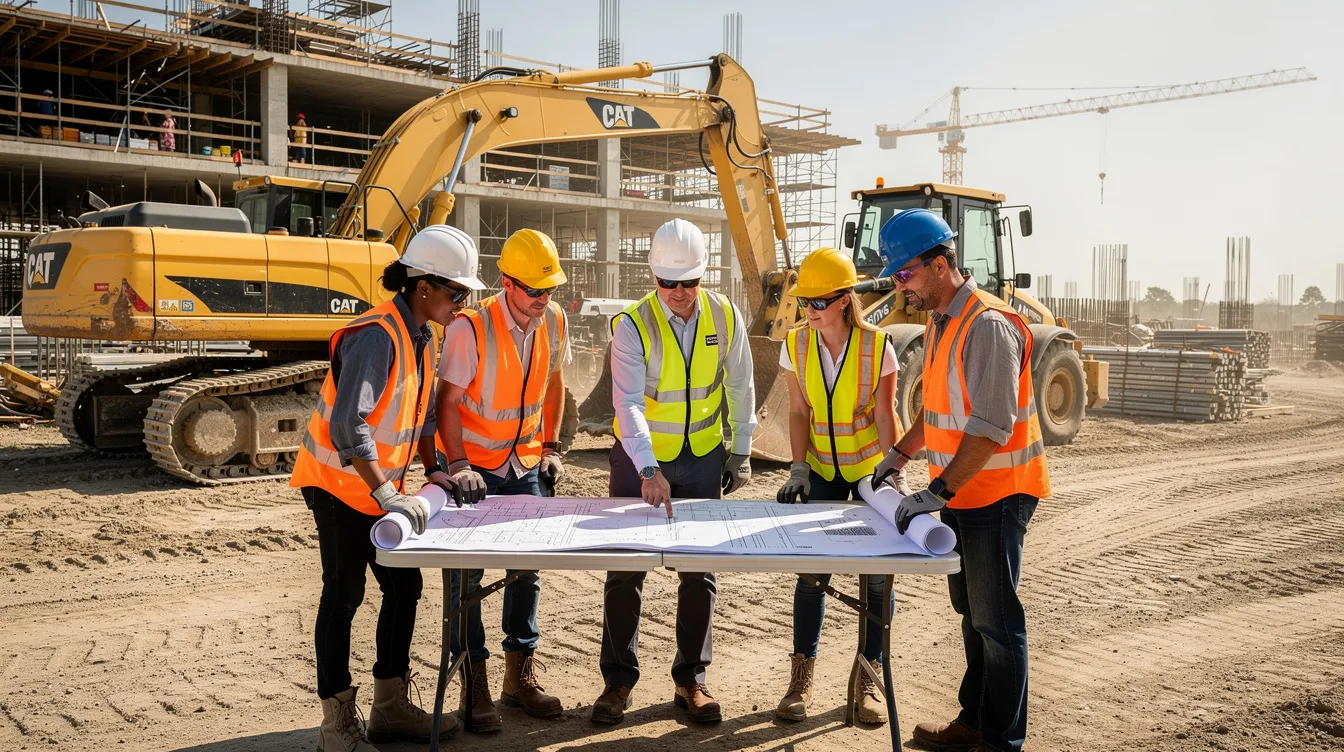
Why Contractors Need a Specialized CPA
Contractors face critical financial challenges, including fluctuating material costs and the risk of profit fade on long-term projects. They also deal with high initial expenses for materials and labor, tight margins, labor shortages, delayed payments, retainage, and unpredictable invoice-based cycles that create erratic cash flow.
Construction accounting is fundamentally different from general business accounting, requiring specialized knowledge in areas such as percent-complete revenue recognition and job costing across multiple active projects. Contractors face unique cash flow gaps and complex tax regulations that standard business accounting models do not cover.
A CPA for contractors understands how a construction company is judged by banks, bonding companies, potential buyers, and the IRS. The construction industry faces unique financial challenges, including project variability, bonding requirements, and complex capital structures, which necessitate specialized accounting services.
This matters whether you are a general contractor, electrical subcontractor, mechanical/HVAC firm, concrete contractor, sitework company, or residential builder. A generic accounting firm may miss misclassified costs, incorrect revenue recognition, lost deductions, or weak compliance, while specialized support helps contractors keep their focus on running projects instead of untangling accounting issues.
Core Construction Accounting Services for Contractors
Construction accounting connects bookkeeping, job costing, WIP, payroll, financial reporting, and tax services into one usable system. Contractors who want to go deeper into specialized construction accounting practices can build stronger controls around bidding, billing, and cash flow. Accurate bookkeeping is essential for construction companies to track income and expenses, understand profitability, and manage financial health effectively.
Bookkeeping and Financial Reporting
Core CPA services include many of the same accounting services for small businesses, adapted to the unique requirements of construction:
Core Services:
- Job cost accounting
- WIP schedule preparation
- Over/under-billing analysis
- Payroll support
- Equipment cost tracking
- Bank, credit line, and vendor reconciliations
Software/Platform Support:
- QuickBooks
- QuickBooks Online
- Sage
- Industry platform support
Regular financial statements, including monthly P&L reports, balance sheets, and cash flow statements, help construction businesses understand operational performance. Accurate financial reporting is essential for understanding a company’s financial health, as it provides insights into earnings, expenses, and net income, which are crucial for making informed business decisions.
Payroll Support
Payroll is a critical function for contractors, involving certified payroll, prevailing wage compliance, and accurate tax withholdings. A construction CPA ensures payroll is processed correctly, employees and subcontractors are classified properly, and all payroll tax filings are timely and compliant.
Bank and Vendor Reconciliations
Bank, credit line, and vendor reconciliations are essential for maintaining accurate records and ensuring that all transactions are accounted for. Regular reconciliations help prevent errors, detect fraud, and provide a clear picture of cash flow and outstanding liabilities.
Job Costing and Project Profitability
Job costing is the backbone of construction accounting because it shows whether each job is making money. A CPA sets cost codes for key elements so costs match real operations:
- Labor
- Materials
- Subcontractors
- Equipment
- Overhead
- Change orders
For example, a 12-month commercial build in 2026 may look profitable at bid time, then lose margin after wage increases and material substitutions. Regular job cost reports reveal the issue before final draw, helping the team correct pricing, billing, and scope.
Better job data also improves future bids and owner relationships. Hiring a Certified Public Accountant (CPA) maximizes profit and minimizes audit risks by implementing industry-specific tax strategies.
Work-in-Progress (WIP) Schedules and Revenue Recognition
Construction CPAs use WIP schedules to recognize revenue properly on long-term contracts. Key items include contract value, costs incurred to date, billed to date, estimated cost to complete, backlog, and profit.
WIP reporting shows over-billing and under-billing, which affects tax, bonding, loan covenants, and management insight. Incorrect WIP can distort income in a tax year and trigger lender or IRS questions.
Financial Statements Contractors Need for Banks and Bonding
From 2024 to 2026, banks and surety bond companies have tightened expectations. Contractors may need compiled, reviewed, or audited financial statements depending on project size and bonding requirements.
Financial statements, including profit and loss statements and balance sheets, are critical for businesses to apply for loans and maximize profitability, as they reflect the company’s operational performance and financial position. Clear, timely reporting is significant when banks and sureties evaluate a contractor’s financial position, bonding capacity, and project eligibility.
A construction-focused firm also prepares contract schedules, aged receivables, retainage reports, and WIP schedules. Timely reporting, often within 30–45 days, can affect whether a business can bid larger projects.
Improving Bonding Capacity
Sureties review working capital, net worth, profitability trends, WIP quality, and backlog. A CPA may recommend reducing owner draws, restructuring debt, improving billing discipline, or collecting retainage faster.
Annual meetings with contractors, bonding agents, bankers, and the CPA align expectations. A contractor that cleans up reporting and strengthens ratios may see bonding capacity improve after 12–18 months.
Tax Planning and Business Structure for Contractors
Contractor tax issues include equipment purchases, Section 179, bonus depreciation, multi-state jobs, method-of-accounting choices, domestic production deduction replacements, R&D credits for design/build, and state incentives. Similar planning issues can also arise on construction work tied to real estate development. The tax code contains numerous opportunities for construction companies to save on taxes, which can be leveraged through effective tax planning strategies.
Tax Planning Strategies
CPAs advise on the best business structure to optimize tax efficiency. They also monitor tax law, tax law changes, quarterly estimates due April 15, June 15, September 15, and January 15, and planning moves that reduce surprises.
Business Structure Considerations
Business structure affects taxes, liability, payroll, distributions, and the eventual sale of the construction business. A single-member LLC is simple, an S-corp may reduce self-employment tax through reasonable salary and distributions, and a C-corp may fit some growth or reinvestment plans.
A professional accountant models scenarios, such as moving a sole proprietor to an S-corp, to estimate savings. The right business structure also supports succession planning and long-term ownership transfer.
Multi-State Tax Issues
Multi-state work needs state-by-state review to avoid double taxation, and contractors can benefit from practical CPA tax tips for small business owners to stay ahead of deadlines and estimated payments.
Year-Round Tax Strategy for Contractors
Tax planning should happen all year, not just at filing time, and working with a firm that focuses on year-round tax planning and preparation helps reduce surprises. Independent contractors can benefit from identifying eligible deductions such as home office expenses, project costs, and equipment, which can significantly reduce their taxable income, especially when guided by a CPA for independent contractors who understands their specific issues.
Cost segregation studies can be an effective tax planning strategy for construction companies, allowing them to accelerate depreciation on certain assets and reduce current tax liabilities. A project completed in January 2026 instead of December 2025 may shift taxable profit into the next year, improving liquidity.
Outsourced Accounting and Advisory Services for Contractors
Many small and mid-sized construction companies cannot justify a full-time controller or CFO. Outsourced accounting services can provide bookkeeping, controller oversight, and fractional CFO support as the company grows, helping improve efficiency with added financial support.
Outsourced Bookkeeping
Outsourced bookkeeping services help contractors maintain accurate records, manage accounts payable and receivable, and ensure timely financial reporting without the overhead of a full-time staff.
Fractional CFO Services
A fractional CFO helps contractors, often in the $3M–$30M revenue range, interpret numbers and plan ahead. CPAs can help predict dry spells to ensure operational liquidity through cash flow forecasting.
CPAs build predictive cash flow models and advise on progress billing discipline to ensure capital inflows consistently outpace project expenses. They also review bids, dashboards, WIP meetings, banks, staffing, equipment financing, leasing, new markets, acquisitions, and whether opening another office in 2026 is efficient.
Cash Flow Management
Effective cash flow management in the construction industry involves budgeting and financial forecasting to ensure that projects remain profitable and that funds are available for operational needs, often supported by modern cloud accounting and financial management tools. Construction companies often face unique cash flow challenges due to project variability, slow payments, and complex bonding requirements, making cash flow management critical for sustainability.
Regular cash flow analysis helps construction businesses identify trends, manage expenses, and make informed decisions about future projects and investments, much like the disciplined financial reviews recommended for startup companies working with CPAs.
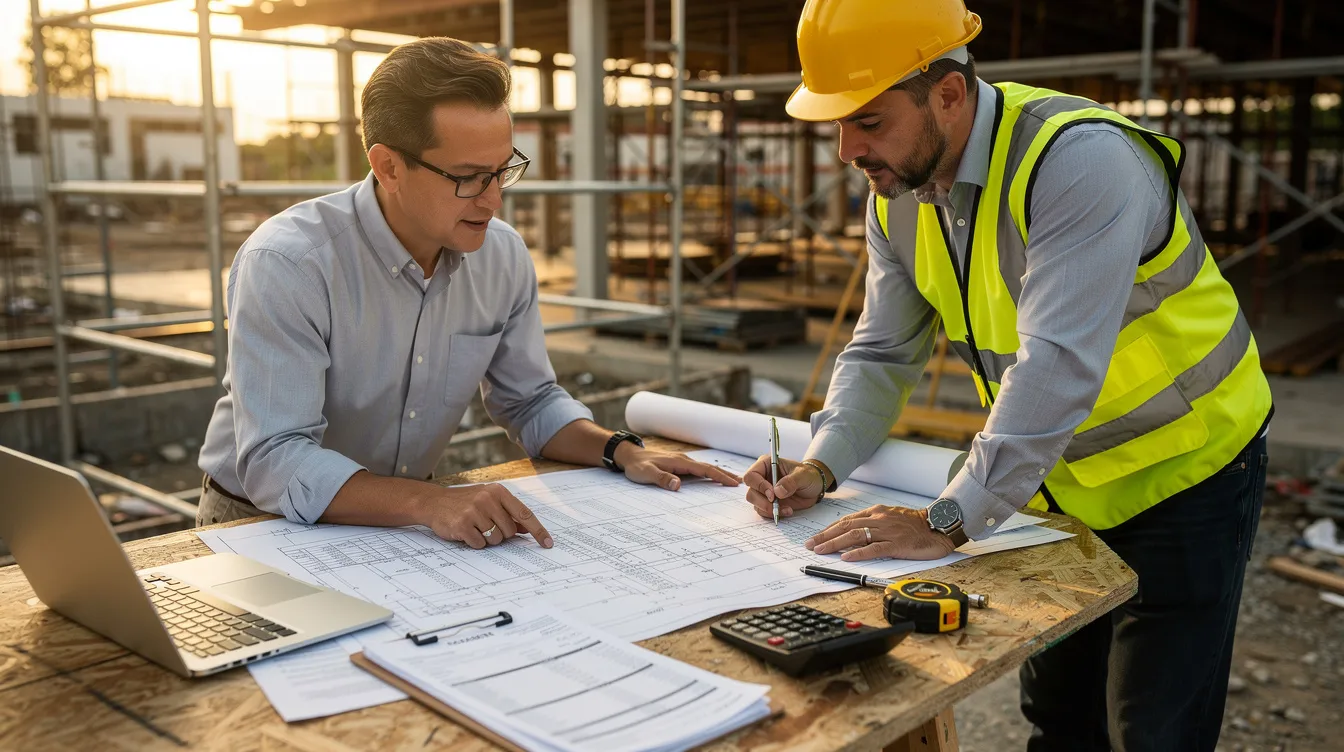
How to Choose the Right CPA Firm for Your Construction Company
Not all CPA firms have true construction expertise. Ask whether the firm has experience with WIP, AIA billing, retainage, certified payroll, audits, bonding requirements, and contractors in your trade.
A CPA can ensure compliance with payroll laws by staying updated on the latest regulations and ensuring proper classification of employees versus independent contractors, timely payment of wages, and accurate tax withholding and reporting. Accurate payroll management is essential for independent contractors to avoid legal complications and ensure timely and accurate compensation, which can be facilitated by a CPA’s expertise and the broader skill set described in our article on what it means to be a Certified Public Accountant.
CPAs play a critical role in calculating wages accurately, managing tax withholdings, and preparing payroll tax returns to avoid penalties and ensure compliance with tax laws. Before hiring a firm, request a review of your financial statements and tax returns.
FAQ
These FAQs address common questions from independent contractors, small GCs, and growing construction companies dealing with accounting, tax, and bonding challenges.
When should a contractor hire a CPA instead of just a bookkeeper?
When revenue approaches $500,000–$1,000,000, projects overlap, bonding is needed, financing is planned, or profitability by job is unclear.
How much do CPA services for contractors typically cost?
Small contractors may pay monthly fees for bookkeeping, reporting, and annual tax prep. Larger firms needing WIP, reviewed statements, or fractional CFO support pay more; request a clear scope, deliverables, and billing structure.
Can a CPA help move my construction company from cash basis to percentage-of-completion accounting?
Yes. Construction CPAs set up WIP schedules, restate prior financials when needed, and coordinate method changes so banking, bonding, and tax goals stay aligned.
What records should I keep for accurate job costing?
Keep the following records for accurate job costing:
- Labor hours by job
- Material invoices
- Subcontractor bills
- Equipment usage
- Change orders
- Payroll
- Project costs
- Retainage
A consistent system reduces cleanup time and strengthens bids.
How often should I meet with my construction CPA?
Meet quarterly at minimum, or monthly when managing several active projects. Review WIP, cash flow, quarterly tax payments, tax planning, major bids, capital purchases, and growth plans.
___________________________________________
For more information about the tax and accounting services we provide, visit our Home Page! The friendly CPAs, Enrolled Agents, accountants, tax professionals and bookkeepers at Massey and Company CPA are here to assist you.
If you want my team and I to handle your tax matter for you, click here.
You are welcome to email us directly at info@masseyandcompanyCPA.com.
Massey and Company CPA is a boutique tax and accounting firm serving individuals and small businesses in Atlanta, Chicago and throughout the country. Our services include tax return preparation, tax planning, IRS tax problem resolution, IRS audits, accounting and bookkeeping.
